
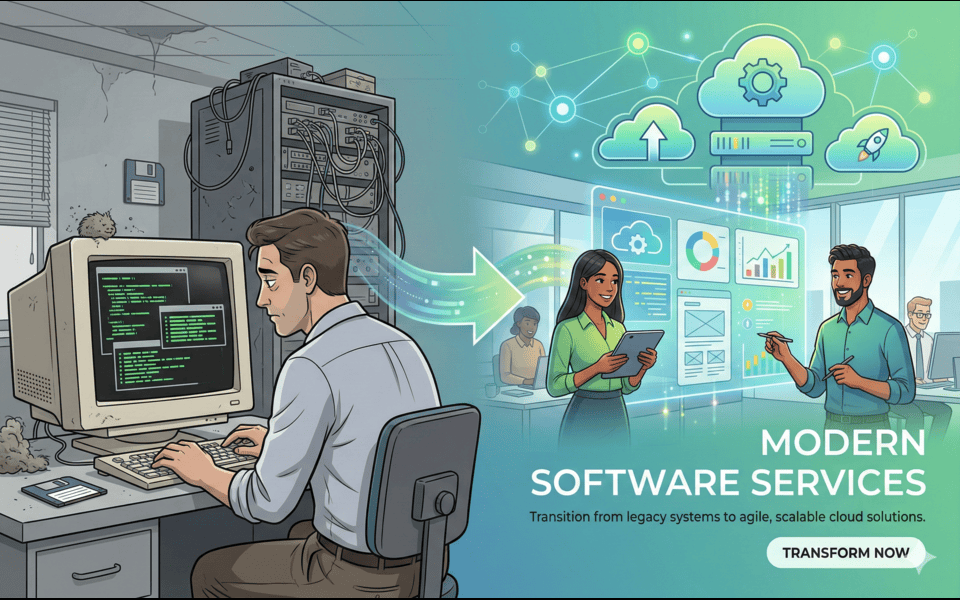
As businesses accelerate their digital transformation strategies in 2026 and beyond, one challenge continues to surface across industries: aging legacy systems that limit agility, scalability, and innovation. Many organizations still depend on decades-old software architectures that were designed for past operational models, not today’s cloud-driven, data-centric ecosystems. In this environment, Legacy System Modernization Services have become essential for companies seeking to remain competitive, secure, and adaptable in a rapidly evolving technological landscape.
Digital transformation is no longer just about adopting new tools. It requires reengineering foundational systems so they can integrate with modern platforms, support real-time analytics, enable automation, and deliver seamless customer experiences. This is where legacy application modernization and legacy software modernization play a central role, bridging the gap between existing business logic and future-ready infrastructure.
The Growing Burden of Legacy Systems in Modern Enterprises
Legacy systems often contain critical business data and workflows that organizations rely on daily. However, these systems were typically built using outdated programming languages, monolithic architectures, and on-premise infrastructures that are difficult to maintain or scale. As digital ecosystems expand, the limitations of such environments become more pronounced.
Maintenance costs for legacy platforms rise each year due to scarce expertise, incompatible integrations, and increasing security vulnerabilities. Companies frequently allocate a majority of IT budgets just to keep outdated systems operational, leaving minimal resources for innovation. Legacy System Modernization Services help shift this balance by transforming aging applications into flexible, maintainable, and scalable digital assets.
Modernization does not necessarily mean replacing everything. Through legacy application modernization, organizations can refactor, replatform, or rebuild components while preserving valuable business logic. This approach ensures continuity while enabling transformation.
Digital Transformation Demands Modern Architectures
Digital transformation initiatives rely heavily on cloud computing, APIs, automation, artificial intelligence, and data analytics. Legacy systems, however, were rarely designed to support these capabilities. Monolithic architectures restrict modular updates, making it difficult to introduce new features or integrate with modern tools.
Legacy software modernization introduces service-oriented or microservices architectures that allow systems to evolve incrementally. Applications become modular, interoperable, and easier to deploy across cloud environments. This architectural shift is fundamental for organizations pursuing digital transformation because it enables continuous innovation rather than periodic large-scale replacements.
Through Legacy System Modernization Services, enterprises can adopt cloud-native designs, containerization, and scalable infrastructures that align with modern business demands. These technologies support faster deployment cycles, improved resilience, and seamless integration with emerging platforms.
Enhancing Business Agility and Time to Market
In competitive markets, speed is a defining advantage. Organizations must release new features, products, and services quickly to meet changing customer expectations. Legacy systems slow innovation due to rigid codebases, manual processes, and limited integration capabilities.
Legacy application modernization removes these barriers by transforming static applications into flexible digital platforms. Automated testing, continuous integration pipelines, and modular deployment enable faster development cycles. As a result, businesses can introduce updates or launch new services without disrupting core operations.
Legacy System Modernization Services therefore directly influence time to market, allowing organizations to respond rapidly to industry shifts. Companies that modernize gain the ability to experiment, iterate, and scale innovations, which is essential for digital transformation success in 2026 and beyond.
Improving Security and Regulatory Compliance
Cybersecurity threats continue to grow in sophistication, while global regulations demand stronger data protection and governance. Legacy systems often lack modern encryption standards, access controls, and monitoring capabilities. Unsupported software components and outdated frameworks create vulnerabilities that are difficult to patch.
Legacy software modernization strengthens security by updating architectures, implementing modern authentication protocols, and aligning with current compliance requirements. Cloud-based infrastructures also provide advanced monitoring and threat detection capabilities that legacy environments cannot easily replicate.
Through Legacy System Modernization Services, organizations can reduce exposure to breaches, ensure regulatory alignment, and protect sensitive data. This is particularly critical in sectors such as finance, healthcare, and logistics, where compliance failures carry significant financial and reputational risk.
Unlocking Data Value and Advanced Analytics
Data has become a central asset for decision-making and competitive differentiation. However, legacy systems often store data in isolated silos or outdated formats that are difficult to access or analyze. Without modernization, organizations cannot fully leverage analytics, machine learning, or real-time insights.
Legacy application modernization integrates historical data with modern data platforms, enabling unified visibility across operations. Modernized systems support APIs and data pipelines that feed analytics engines and dashboards. Businesses can then extract actionable insights from decades of accumulated information.
Legacy System Modernization Services therefore transform dormant data repositories into strategic intelligence sources. Companies gain predictive capabilities, operational transparency, and customer insights essential for digital transformation initiatives.
Enabling Cloud Adoption and Scalability
Cloud computing is a cornerstone of digital transformation because it offers scalability, flexibility, and cost efficiency. Yet many legacy systems were built for on-premise environments and cannot easily migrate to the cloud. Tight coupling between components, hardware dependencies, and outdated frameworks hinder migration efforts.
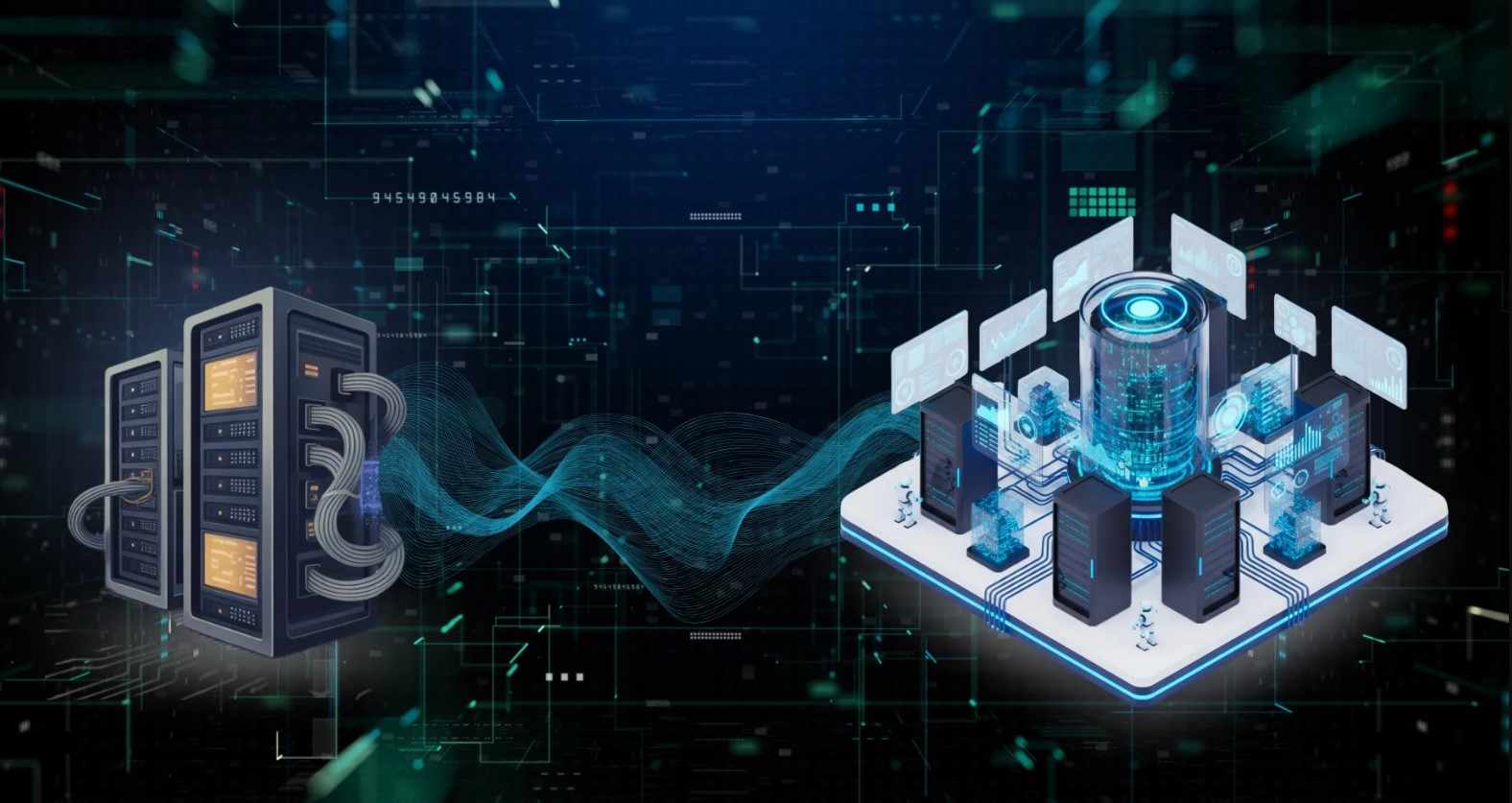
Legacy software modernization decouples applications and prepares them for cloud deployment. Replatforming, containerization, and API integration allow legacy workloads to run efficiently in hybrid or multi-cloud environments. Once modernized, systems can scale dynamically based on demand, reducing infrastructure costs and improving performance.
Organizations leveraging Legacy System Modernization Services gain the ability to expand operations globally, support remote workforces, and handle fluctuating workloads. Cloud-ready systems also integrate more easily with modern SaaS and digital ecosystems.
Reducing Operational Costs and Technical Debt
Maintaining outdated systems consumes significant resources. Organizations often spend most of their IT budgets on maintenance rather than innovation. Legacy environments accumulate technical debt through patches, workarounds, and obsolete dependencies, making changes increasingly expensive.
Legacy application modernization reduces technical debt by restructuring codebases, updating technologies, and eliminating redundant components. Modernized systems require less maintenance and enable automation of routine operations. Over time, operational costs decline while productivity increases.
Through Legacy System Modernization Services, companies shift from reactive maintenance to proactive innovation. The financial impact is substantial, as resources previously tied to legacy upkeep can be redirected toward growth initiatives and new digital capabilities.
Enhancing Customer Experience and Digital Engagement
Customer expectations have evolved dramatically. Users demand seamless digital interactions, personalized services, and real-time responsiveness. Legacy systems, designed primarily for internal processes, often cannot support modern customer interfaces or omnichannel engagement.
Legacy software modernization enables integration with web platforms, mobile applications, and digital services. Modern APIs allow customer-facing systems to interact with core business logic in real time. This integration supports personalized experiences, faster transactions, and consistent service across channels.
Legacy System Modernization Services thus play a direct role in improving customer satisfaction and retention. Businesses can deliver modern digital experiences without discarding the valuable processes embedded in legacy systems.
Supporting Innovation and Emerging Technologies
Technologies such as artificial intelligence, automation, IoT, and advanced analytics are reshaping industries. However, integrating these innovations with legacy systems is often difficult due to incompatible architectures and limited interfaces.
Legacy application modernization creates flexible platforms that can incorporate emerging technologies. APIs, microservices, and modular architectures enable AI models, automation tools, and connected devices to interact with business systems seamlessly. This adaptability ensures organizations can adopt new capabilities without rebuilding core infrastructure.
Through Legacy System Modernization Services, enterprises future-proof their technology foundations. Modernized systems become innovation platforms rather than constraints, enabling continuous evolution beyond 2026.
The Role of Modern Software Development in Transformation
Digital transformation ultimately depends on robust engineering practices and scalable architectures. Modern software development approaches emphasize modular design, cloud readiness, automation, and continuous delivery. These principles align directly with the goals of legacy software modernization.
Organizations that combine Legacy System Modernization Services with modern software development methodologies achieve sustainable transformation. Systems evolve continuously, integrations expand easily, and new capabilities deploy rapidly. This synergy ensures modernization is not a one-time project but an ongoing strategic capability.
Strategic Approaches to Legacy Modernization
Modernization strategies vary depending on business goals and system complexity. Some organizations refactor existing code to improve structure and maintainability. Others replatform applications to cloud environments while preserving functionality. In certain cases, systems are rebuilt entirely using modern frameworks.
Regardless of approach, Legacy System Modernization Services provide structured methodologies to assess, prioritize, and execute transformation. Risk mitigation, data migration, and continuity planning ensure operations remain stable during modernization. This structured process is essential for large enterprises with mission-critical legacy environments.
Why 2026 and Beyond Makes Modernization Urgent
Several factors make legacy modernization particularly critical in the coming years. Technology cycles are accelerating, and organizations must adapt faster than ever. Cybersecurity threats continue to intensify, making outdated systems increasingly dangerous. Regulatory frameworks demand stronger governance and transparency. Meanwhile, customers expect seamless digital services across all interactions.
Without Legacy System Modernization Services, businesses risk falling behind competitors who operate on modern digital platforms. Legacy constraints slow innovation, increase costs, and reduce agility. In contrast, modernized systems enable continuous transformation, positioning organizations for long-term success.
Conclusion: Modernization as the Foundation of Digital Transformation
Digital transformation in 2026 and beyond depends fundamentally on modern technology foundations. Aging systems cannot support the speed, integration, security, and scalability required in today’s digital economy. Legacy System Modernization Services provide the pathway to transform outdated applications into agile, cloud-ready, and innovation-friendly platforms.
Through legacy application modernization and legacy software modernization, organizations unlock data value, enhance customer experiences, reduce costs, and enable emerging technologies. Combined with modern software development practices, modernization ensures systems evolve continuously rather than becoming obsolete again.
For enterprises seeking sustained competitiveness, modernization is no longer optional. It is the core enabler of digital transformation, operational resilience, and future growth. Businesses that invest in Legacy System Modernization Services today build the technological foundation necessary to thrive in the digital era ahead.





Write a comment ...