
The rapid growth of digital commerce has pushed businesses to invest heavily in mobile platforms that deliver seamless shopping experiences. As competition intensifies, companies are prioritizing feature-rich applications that support secure payments, personalized engagement, and scalable infrastructure. These requirements significantly influence Mobile App Development Cost, making cost planning a strategic decision rather than a purely technical estimate. For eCommerce businesses aiming to build or upgrade mobile platforms, understanding how payment gateways, personalization engines, and scalability architecture affect development investment is essential.
Beyond basic functionality, modern commerce apps rely on AI-driven experiences, automation, and cloud scalability. Integrating these capabilities requires advanced engineering expertise, infrastructure planning, and continuous optimization. As a result, Mobile App Development Cost is shaped by multiple technical and strategic factors that extend far beyond interface design or coding hours.
The Expanding Scope of eCommerce Mobile Applications
eCommerce mobile apps have evolved from simple catalog interfaces into comprehensive digital commerce ecosystems. They now integrate real-time inventory, omnichannel fulfillment, intelligent recommendations, and secure financial transactions. This expanded scope directly impacts Mobile App Development Cost because each capability introduces architectural complexity and specialized development requirements.
Businesses increasingly rely on ai development to power recommendation engines, demand forecasting, and dynamic pricing. These features enhance user engagement but require data pipelines, machine learning models, and scalable processing environments. Similarly, custome sofware development ensures that applications align with unique business workflows, logistics models, and branding strategies. Tailored solutions often require deeper integration with backend systems, which adds to development effort.
An experienced app development company typically evaluates these requirements holistically, designing architecture that supports long-term growth rather than just initial deployment. This strategic planning stage is a major component of Mobile App Development Cost, yet it prevents costly redesigns later.
Payment Gateway Integration and Financial Security Costs
Secure payment processing is central to any eCommerce application. Integrating payment gateways involves more than connecting APIs; it requires compliance with financial regulations, encryption standards, fraud detection, and transaction reliability. Each of these elements contributes to Mobile App Development Cost.
Modern commerce apps often support multiple payment methods such as cards, digital wallets, buy-now-pay-later options, and regional payment systems. Supporting diverse payment ecosystems requires flexible architecture and rigorous testing. Additionally, businesses operating across regions must handle currency conversion, tax calculation, and localization, further increasing development complexity.
Security is another major cost driver. Payment modules must comply with industry standards and include secure authentication, tokenization, and monitoring mechanisms. Implementing these safeguards requires specialized expertise and ongoing updates. Companies investing in ai development also integrate fraud detection models that analyze transaction patterns in real time, adding advanced capabilities but increasing development scope.
Despite these costs, robust payment integration directly improves conversion rates and customer trust, making it a high-return component of Mobile App Development Cost.
Personalization Engines and AI-Driven Engagement
Personalization has become a defining factor in eCommerce success. Customers expect product recommendations, tailored promotions, and context-aware experiences. Delivering such personalization requires sophisticated ai development infrastructure, including user behavior analytics, recommendation algorithms, and content adaptation engines.
Building these systems significantly influences Mobile App Development Cost because it involves data collection pipelines, model training environments, and scalable deployment frameworks. Applications must process browsing history, purchase patterns, and contextual signals in real time to deliver relevant experiences. This requires backend services capable of handling large data volumes efficiently.
ai chatbot development further enhances personalization by enabling conversational shopping assistance, automated support, and guided product discovery. These chatbots integrate natural language processing models with product catalogs and customer data. Similarly, ai agent development supports autonomous processes such as personalized marketing automation, order tracking assistance, and proactive engagement.
While these AI-driven capabilities increase initial development investment, they also boost retention, conversion, and customer lifetime value. Consequently, personalization technologies often deliver strong long-term ROI relative to their contribution to Mobile App Development Cost.
Scalability Architecture and Cloud Infrastructure
Scalability is essential for eCommerce apps that experience fluctuating demand during promotions, seasonal events, or market expansion. Designing applications that handle growth without performance degradation requires robust backend architecture, cloud deployment strategies, and load management systems. These considerations form a substantial portion of Mobile App Development Cost.
Scalable systems rely on modular services, distributed databases, and cloud-native deployment models. They must handle concurrent users, real-time inventory synchronization, and transaction processing without latency. Implementing such infrastructure requires experienced engineering teams and careful architecture planning.
A specialized Web development partner ensures that backend services, APIs, and admin platforms integrate seamlessly with the mobile interface. This unified architecture supports scalability across channels and devices. Without this foundation, applications may require expensive reengineering when user demand increases.
Scalability also affects operational costs. Efficient cloud design reduces resource waste and ensures performance during peak loads. Although it raises initial Mobile App Development Cost, scalable architecture prevents performance failures and revenue loss during high-traffic periods.
Integration with eCommerce Ecosystems and Backend Systems
Modern commerce applications rarely operate in isolation. They integrate with inventory systems, logistics platforms, CRM tools, analytics dashboards, and marketing automation services. Each integration adds to Mobile App Development Cost because it requires API development, data mapping, and synchronization logic.
custome sofware development plays a crucial role in aligning mobile apps with existing enterprise systems. Businesses often have unique order workflows, warehouse processes, or supplier networks that require tailored integration. Off-the-shelf solutions rarely match these requirements fully, making custom integration essential.
Additionally, integration complexity increases when businesses pursue omnichannel commerce strategies. Mobile apps must synchronize with websites, physical stores, and marketplaces in real time. Achieving this unified experience requires consistent data architecture and robust communication layers, all contributing to development investment.
User Experience Design and Conversion Optimization
User experience directly affects eCommerce performance. Navigation clarity, checkout simplicity, and visual engagement influence conversion rates and retention. Designing high-quality interfaces requires research, prototyping, usability testing, and iterative refinement, which are significant contributors to Mobile App Development Cost.
Personalized interfaces driven by ai development further increase design complexity. Dynamic content layouts, adaptive recommendations, and contextual notifications must align with brand identity and usability standards. Achieving this balance requires collaboration between designers, engineers, and data specialists.
ai chatbot development also impacts interface design because conversational elements must integrate naturally with browsing and purchasing flows. Ensuring intuitive interaction across chat, search, and navigation interfaces requires additional development effort but enhances engagement significantly.
Security, Compliance, and Data Protection Requirements
eCommerce applications handle sensitive personal and financial data, making security a top priority. Implementing encryption, secure authentication, and privacy controls adds to Mobile App Development Cost but is essential for trust and regulatory compliance.
Applications must comply with regional data protection regulations and industry standards. This requires secure storage, consent management, and audit capabilities. As AI features expand, protecting user data in recommendation and analytics systems becomes equally important.
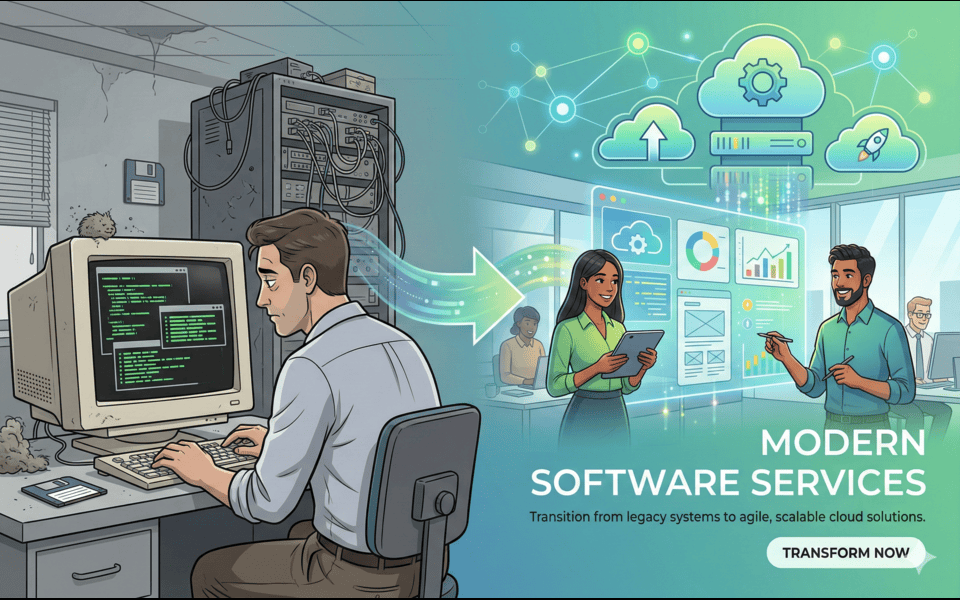
Businesses also face technology adoption challenges when integrating modern security frameworks with legacy systems. Addressing these challenges requires architectural redesign and careful migration strategies. Overcoming such technology adoption challenges ensures that new mobile platforms remain secure and compliant.
Maintenance, Updates, and Lifecycle Investment
Development cost extends beyond initial launch. eCommerce apps require continuous updates for operating system compatibility, feature enhancements, and performance optimization. AI models also require retraining and tuning as user behavior evolves. These ongoing activities form a substantial portion of long-term Mobile App Development Cost.
ai agent development introduces autonomous processes that must be monitored and improved continuously. Similarly, ai chatbot development requires updates to maintain conversational accuracy and product relevance. Maintenance ensures that AI-driven features remain effective and aligned with business goals.
Scalable architecture and modular design reduce maintenance complexity, demonstrating why upfront investment in robust engineering often lowers lifetime costs. Companies working with an experienced app development company typically benefit from structured maintenance strategies that sustain performance and security.
Regional and Market Expansion Considerations
As eCommerce businesses expand into new regions, mobile apps must support localization, language adaptation, tax rules, and regional payment systems. These requirements increase Mobile App Development Cost but enable global reach and revenue growth.
Localization also affects personalization engines, as AI models must adapt to regional preferences and behavior patterns. custome sofware development ensures that apps accommodate diverse market requirements without compromising performance or usability.
Scalable cloud architecture supports global deployment by distributing services across regions, reducing latency and improving user experience. Such infrastructure planning is a major factor in development cost but critical for international expansion.
Balancing Cost and Value in eCommerce App Development
While Mobile App Development Cost can appear substantial, its true value lies in revenue generation, customer retention, and operational efficiency. Payment security builds trust and conversion. Personalization increases engagement and lifetime value. Scalability supports growth without disruption. Integration streamlines operations. AI automation reduces manual effort.
Organizations that treat mobile apps as strategic commerce platforms rather than simple interfaces achieve stronger returns on development investment. Collaborating with a capable app development company and Web development partner ensures architecture aligns with long-term business objectives.
Conclusion: Strategic Drivers Behind Mobile App Development Cost
The cost of building eCommerce mobile applications in 2026 and beyond reflects the sophistication of modern digital commerce. Payment gateway security, AI-driven personalization, and scalable cloud architecture are no longer optional features; they are core requirements for competitive success. Each of these elements shapes Mobile App Development Cost, transforming it into a strategic investment rather than a technical expense.
Through ai development, custome sofware development, ai chatbot development, and ai agent development, businesses create intelligent, adaptive commerce platforms that drive engagement and growth. Addressing technology adoption challenges ensures these innovations integrate smoothly with existing systems. With the support of an experienced app development company and Web development expertise, organizations can build scalable eCommerce apps that deliver long-term value.
Ultimately, understanding the drivers behind Mobile App Development Cost enables businesses to allocate resources wisely, prioritize high-impact features, and build future-ready commerce ecosystems capable of thriving in an increasingly digital marketplace.















Write a comment ...