
Introduction: Transforming Employee Lifecycle Management Through Technology
Large enterprises operate in highly complex environments where workforce management involves thousands of employees across departments, regions, and sometimes even continents. Managing every phase of the employee lifecycle, from recruitment and onboarding to performance management and exit processes, requires structured systems that ensure consistency, compliance, and efficiency. This is where HRMS Software Development becomes a game-changing investment for organizations aiming to streamline operations and enhance workforce engagement.
Employee lifecycle management is no longer limited to administrative tracking. It has evolved into a strategic function that directly impacts productivity, retention, compliance, and corporate culture. Through robust HRMS Software Development, enterprises can centralize data, automate repetitive tasks, and gain real-time insights into workforce trends. By leveraging professional hr software development services, companies create integrated systems that enhance transparency and efficiency throughout every stage of the employee journey.
Understanding Employee Lifecycle Management in Large Enterprises
Employee lifecycle management encompasses all interactions between an organization and its employees. It begins with talent acquisition and continues through onboarding, development, performance evaluation, compensation management, engagement initiatives, and finally, offboarding. In large enterprises, each of these stages involves multiple stakeholders, regulatory requirements, and operational workflows.
Without a centralized system, HR teams often rely on fragmented tools that create data silos and inefficiencies. A strategically designed hrms software development solution consolidates all lifecycle stages into one unified platform. This not only improves operational consistency but also enhances employee experience by offering seamless digital interactions.
Investing in custome sofware development ensures that the system aligns with specific enterprise policies, compliance standards, and scalability goals. Rather than adapting internal processes to fit generic software, organizations can design systems tailored to their workforce dynamics.
Recruitment and Talent Acquisition Optimization
The recruitment phase is critical for large enterprises aiming to attract and retain top talent. Traditional hiring processes often involve manual resume screening, disorganized communication, and delayed decision-making. Through HRMS Software Development, recruitment workflows become automated and data-driven.
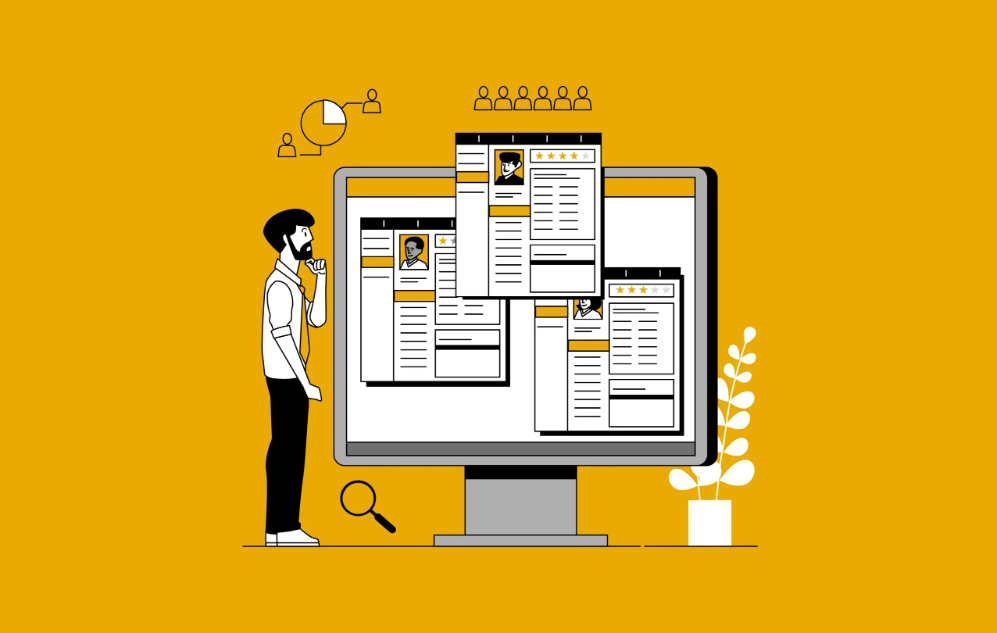
Advanced applicant tracking systems integrated within HRMS platforms enable recruiters to manage candidate pipelines efficiently. Automated resume parsing, interview scheduling, and evaluation tracking reduce time-to-hire while improving candidate experience. With analytics dashboards, HR leaders can identify recruitment trends and measure hiring effectiveness.
A professional hr software development company designs scalable recruitment modules that integrate seamlessly with existing enterprise systems. This ensures that hiring data flows directly into onboarding and payroll modules, creating continuity across the lifecycle.
Streamlining Onboarding and Employee Integration
Onboarding is a pivotal stage that shapes an employee’s initial perception of the organization. In large enterprises, managing onboarding manually can lead to inconsistencies and compliance risks. Through HRMS Software Development, onboarding becomes structured, automated, and transparent.
Digital document submission, automated compliance verification, training schedules, and task assignment workflows create a smooth transition for new hires. Employees gain access to self-service portals where they can complete documentation, access policies, and connect with team members.
Tailored hr software development services ensure that onboarding modules reflect enterprise-specific processes. Whether the organization operates across multiple regions with different labor laws or requires complex approval hierarchies, custom development enables precise configuration.
By leveraging hrms software development, enterprises create engaging onboarding experiences that improve retention and accelerate productivity.
Enhancing Performance Management Systems
Performance management in large enterprises requires continuous monitoring, goal alignment, and transparent feedback mechanisms. Manual performance reviews often result in delayed evaluations and inconsistent criteria. HRMS Software Development transforms this process through digital performance tracking tools.
Employees and managers can set measurable objectives aligned with organizational goals. Continuous feedback systems replace annual reviews, fostering a culture of growth and accountability. Real-time dashboards provide HR leaders with insights into workforce performance trends.
Through custome sofware development, enterprises can design performance evaluation models tailored to their industry and organizational culture. A reliable hr software development company ensures that performance data integrates seamlessly with compensation and promotion workflows, creating a holistic lifecycle management system.
Payroll and Compensation Management Accuracy
Payroll processing in large enterprises is one of the most complex aspects of HR operations. Errors in salary calculations, tax deductions, or compliance reporting can lead to financial losses and employee dissatisfaction. HRMS Software Development ensures accuracy and automation in payroll management.
Integrated payroll modules calculate salaries, bonuses, overtime, and deductions based on predefined rules. Compliance frameworks embedded within the system reduce the risk of regulatory violations. Automated reporting features simplify audits and financial analysis.
Professional hr software development services incorporate robust security protocols to protect sensitive payroll data. Encryption, access controls, and secure cloud infrastructure ensure confidentiality and data integrity.
With advanced hrms software development, enterprises can handle multi-country payroll operations with ease, adapting to varying tax structures and compliance standards.
Employee Engagement and Self-Service Portals
Employee engagement is a key driver of productivity and retention in large enterprises. Modern employees expect digital tools that offer transparency and accessibility. Through HRMS Software Development, organizations can implement intuitive self-service portals that empower employees.
Self-service systems allow employees to access payslips, request leave, update personal information, and track performance goals. This reduces administrative workload for HR teams while enhancing employee satisfaction.
A specialized hrms software development agency such as hrms software development agency can design interactive interfaces that improve user experience and adoption rates. By integrating feedback mechanisms and engagement surveys, enterprises gain actionable insights into workforce morale.
Customized custome sofware development ensures that engagement tools align with corporate branding and communication strategies, fostering a unified organizational culture.
Learning and Development Integration
Continuous learning is essential for sustaining competitiveness in large enterprises. Managing training programs manually can result in inconsistent skill development and missed opportunities. HRMS Software Development integrates learning management systems directly into the employee lifecycle platform.
Digital training modules, certification tracking, and skill assessments create structured development pathways. Managers can identify skill gaps and assign targeted training programs to employees.
Through advanced hr software development services, enterprises can incorporate AI-driven recommendations that personalize learning experiences. Performance data integration allows organizations to measure the impact of training initiatives on productivity.
Effective hrms software development ensures that learning and development processes remain aligned with strategic business goals.
Offboarding and Knowledge Retention
The final stage of the employee lifecycle, offboarding, is often overlooked despite its strategic importance. Poorly managed exit processes can result in compliance risks and knowledge loss. HRMS Software Development ensures structured and secure offboarding workflows.
Automated exit interviews, clearance approvals, and final payroll calculations streamline the process. Access rights are revoked promptly to maintain data security. Documentation and feedback collected during offboarding provide valuable insights for improving retention strategies.
A professional hr software development company ensures that offboarding modules integrate with compliance systems and data archives. Through secure custome sofware development, enterprises preserve institutional knowledge and maintain operational continuity.
Data Analytics and Strategic Decision-Making
One of the most significant advantages of HRMS Software Development is access to real-time workforce analytics. Large enterprises generate vast amounts of HR data, which, when analyzed effectively, can drive strategic decision-making.
Analytics dashboards provide insights into attrition rates, recruitment efficiency, performance metrics, and employee engagement trends. Predictive analytics tools forecast workforce requirements and identify potential retention risks.
Through specialized hr software development services, enterprises can implement advanced reporting features that support executive-level planning. Integrated analytics transform HR departments from administrative units into strategic business partners.
Scalability and Security for Enterprise Growth
Large enterprises require systems that grow alongside their workforce. Scalable architecture is a critical component of successful HRMS Software Development. Cloud-based infrastructure and modular designs allow organizations to add new features without disrupting existing operations.
Security remains a top priority when handling sensitive employee data. Encryption, multi-factor authentication, and compliance with global data protection regulations are essential elements of enterprise-grade hrms software development.
A trusted hr software development company ensures that scalability and security are integrated into the system’s foundation, supporting long-term growth and resilience.
Choosing the Right Development Partner
The success of an HRMS project depends largely on selecting the right development partner. A reputable hr software development company brings technical expertise, industry knowledge, and strategic insight to the project.
Comprehensive hr software development services include requirement analysis, UI/UX design, system architecture, integration, testing, deployment, and ongoing maintenance. Transparent communication and agile methodologies ensure alignment with enterprise objectives.
Collaborating with an experienced hrms software development agency guarantees access to skilled professionals who understand the complexities of employee lifecycle management in large organizations.
Conclusion: Building a Future-Ready Employee Lifecycle Ecosystem
Large enterprises face unique challenges in managing complex employee lifecycles. From recruitment and onboarding to performance management and offboarding, each stage demands efficiency, transparency, and strategic oversight. Investing in HRMS Software Development empowers organizations to transform these processes into cohesive digital workflows.
Through tailored custome sofware development, enterprises gain systems aligned with their operational models and compliance requirements. Professional hr software development services ensure secure, scalable, and future-ready platforms that evolve alongside workforce growth.
Partnering with a reliable hr software development company and leveraging advanced hrms software development strategies allows organizations to enhance employee experiences, improve decision-making, and drive sustainable growth. In a rapidly evolving business landscape, modern enterprises that prioritize digital employee lifecycle management position themselves for long-term success and competitive advantage.







Write a comment ...