
In today’s fast-moving digital world, businesses are no longer relying only on traditional systems to run their operations. Technologies like Artificial Intelligence (AI), automation, and data analytics are helping companies make smarter decisions, improve efficiency, and stay ahead of competitors. However, many organizations struggle to adopt these technologies because they are still dependent on outdated systems.
This is where Legacy System Modernization Services play a crucial role. By upgrading old systems into modern, flexible platforms, businesses can unlock the full potential of AI, automation, and data-driven decision making.
Why Legacy Systems Limit Innovation
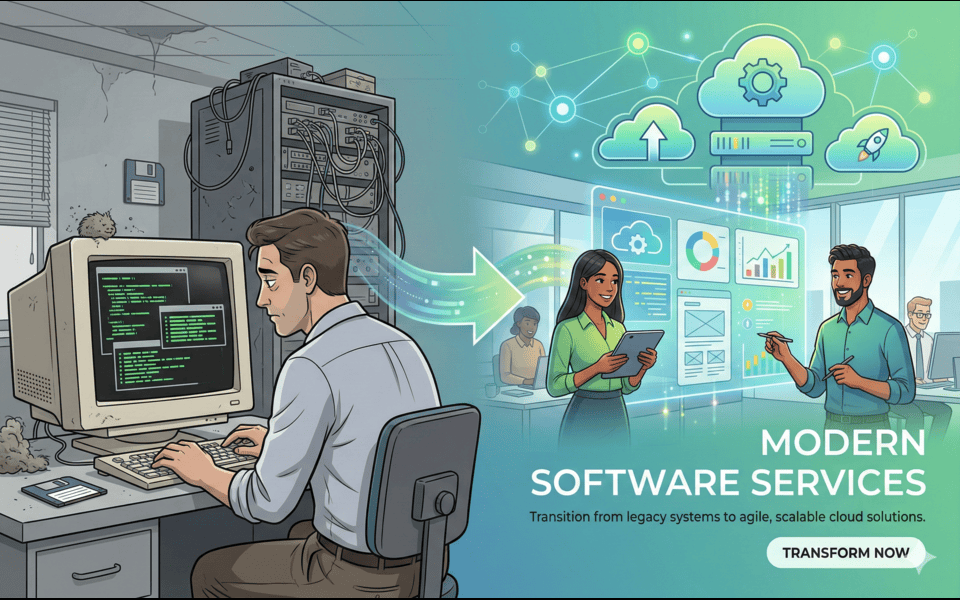
Legacy systems were built for a different era, where data processing was slower, integrations were limited, and advanced technologies like AI were not widely used. These systems often operate in isolation, making it difficult to connect with modern tools and platforms.
One of the biggest problems is data silos. Legacy systems store data in separate locations, making it hard to access and analyze information in real time. Without proper data access, businesses cannot effectively use AI or analytics tools.
Additionally, outdated architectures do not support automation or advanced processing capabilities. This limits a company’s ability to streamline operations and respond quickly to market changes. Through legacy system modernization, businesses can overcome these limitations and build a more connected and intelligent technology environment.
How Legacy System Modernization Services Enable AI
Artificial Intelligence depends heavily on high-quality data and modern infrastructure. Without these, AI tools cannot function effectively. Legacy System Modernization Services help businesses prepare their systems for AI by improving data accessibility and system performance.
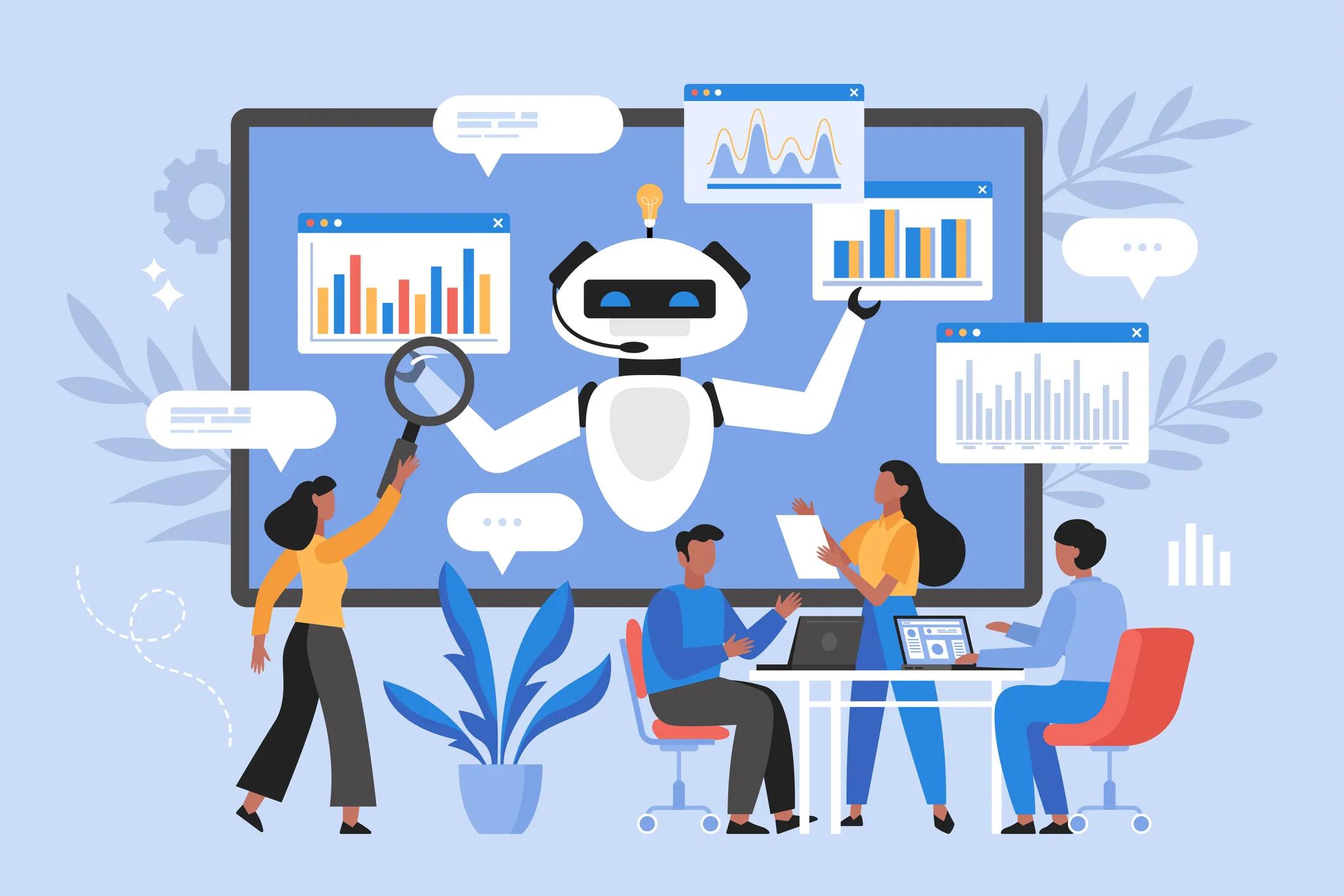
Modernization allows organizations to move their data into centralized, cloud-based environments where it can be easily processed and analyzed. This makes it possible to implement AI-powered solutions such as predictive analytics, recommendation engines, and intelligent chatbots.
By using application modernization services, businesses can redesign their applications to support AI integration. This includes updating system architecture, enabling API connections, and ensuring compatibility with AI platforms.
As a result, companies can use AI to gain valuable insights, automate decision-making processes, and improve customer experiences.
Enabling Automation Through Modernization
Automation is another key benefit of modernization. Businesses today are looking for ways to reduce manual work, improve efficiency, and minimize errors. However, legacy systems often lack the flexibility needed to support automation tools.
Through software modernization services, organizations can update their systems to support automation technologies such as robotic process automation (RPA), workflow automation, and intelligent business processes.
Modernized systems allow businesses to automate repetitive tasks like data entry, reporting, and customer support. This not only saves time but also reduces operational costs and improves accuracy.
In addition, automation helps employees focus on more strategic tasks, leading to better productivity and overall business growth. By combining automation with legacy system modernization, companies can create a more efficient and agile working environment.
Driving Data-Driven Decision Making
Data is one of the most valuable assets for modern businesses. However, to make the most of data, organizations need systems that can collect, process, and analyze information in real time. Legacy systems often fail to provide this capability due to their limited processing power and outdated architecture.
Legacy System Modernization Services enable businesses to transform their data infrastructure, making it easier to gather and analyze data from multiple sources. This allows companies to make informed decisions based on accurate and up-to-date information.
With the help of application modernization services, businesses can integrate advanced analytics tools and dashboards into their systems. These tools provide real-time insights into customer behavior, market trends, and operational performance.
By leveraging software modernization services, organizations can also improve data quality and consistency, ensuring that decision-makers have access to reliable information.
As a result, businesses can move from guesswork to data-driven strategies, leading to better outcomes and increased competitiveness.
The Role of Top Application Modernization Companies
Implementing AI, automation, and data-driven solutions requires a strong technical foundation. This is why many businesses partner with top application modernization companies to guide them through the transformation process.
These companies bring expertise in modern technologies, cloud platforms, and system architecture. They help organizations identify the right modernization strategy and ensure that systems are optimized for AI, automation, and analytics.
By working with experienced professionals, businesses can reduce risks, accelerate implementation, and achieve better results. Top application modernization companies also provide ongoing support to ensure that systems continue to perform effectively as technology evolves.
Long-Term Benefits of Modernization
Investing in Legacy System Modernization Services offers long-term benefits that go beyond immediate technology upgrades. Modernized systems are more scalable, flexible, and capable of supporting future innovations.
Businesses can quickly adapt to changing market demands, integrate new technologies, and improve customer experiences. AI and automation enable faster decision-making, while data-driven insights help organizations stay competitive in a rapidly changing environment.
Modernization also reduces operational costs by improving efficiency and minimizing the need for constant system maintenance. This allows businesses to focus on growth and innovation rather than managing outdated systems.
Conclusion
Legacy systems can hold businesses back from fully adopting modern technologies like AI, automation, and data analytics. Without the right infrastructure, it becomes difficult to innovate and compete in today’s digital economy.
By investing in Legacy System Modernization Services, organizations can transform their outdated systems into powerful, future-ready platforms. Through application modernization services and software modernization services, businesses can unlock new opportunities, improve efficiency, and make smarter, data-driven decisions.
Partnering with top application modernization companies ensures a smooth and successful modernization journey. In the end, legacy system modernization is not just about upgrading technology—it’s about enabling businesses to thrive in a data-driven, automated, and AI-powered world.



Write a comment ...