
Introduction: The Shift Toward Cloud-Native Thinking
The evolution of technology has brought businesses to a pivotal moment where traditional IT infrastructures are no longer sufficient to support rapid innovation and scalability. Organizations across industries are embracing cloud-native architecture as a way to build flexible, resilient, and high-performing systems. However, the journey to the cloud is not as simple as migrating applications or storage. It requires a fundamental transformation of how data is structured, accessed, and utilized. This is where data modernization services become indispensable.
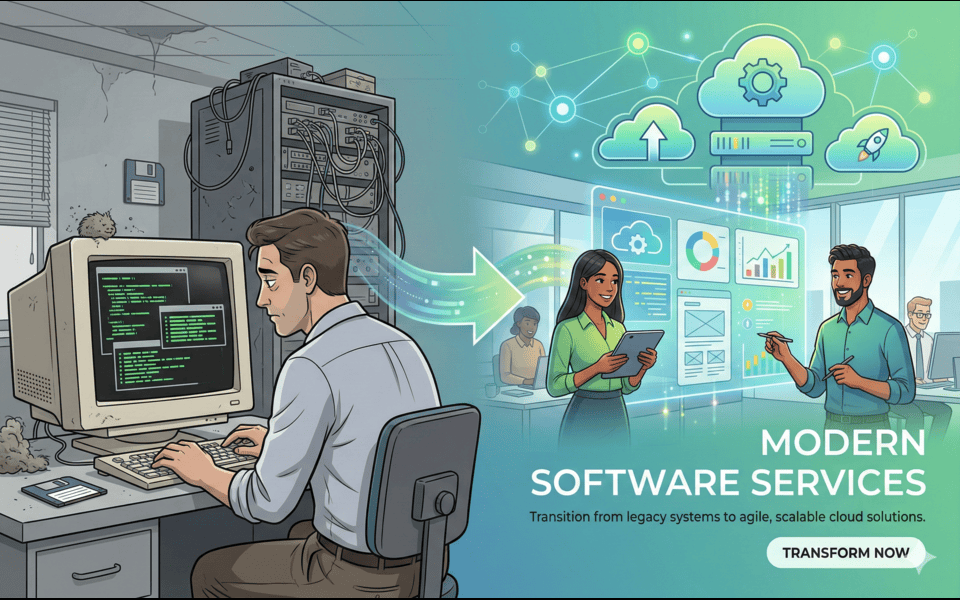
Legacy systems, often built decades ago, are deeply embedded in business operations. They store vast amounts of valuable data but lack the agility and compatibility needed for cloud-native environments. Without adopting legacy data modernization services, businesses risk carrying forward inefficiencies that limit the full potential of cloud adoption. A specialized data modernization compan plays a vital role in bridging this gap, enabling organizations to unlock the power of modern architectures.
Understanding Legacy Data in a Modern Context
Legacy data systems were designed for a different era, one where data volumes were manageable, and real-time processing was not a priority. These systems often rely on outdated technologies, rigid schemas, and siloed storage structures. While they have served businesses well in the past, they are now a major obstacle to innovation.
One of the primary challenges with legacy data is its lack of interoperability. Modern applications, especially those built on cloud-native principles, require seamless data exchange across multiple platforms. Legacy systems, however, struggle to integrate with these environments, creating bottlenecks that hinder performance.
Additionally, legacy systems often lack the scalability needed to handle growing data volumes. As businesses expand and generate more data, these systems become increasingly difficult to manage. This makes data modernization services essential for organizations looking to transition to cloud-native architectures.
The Role of Legacy Data Modernization Services
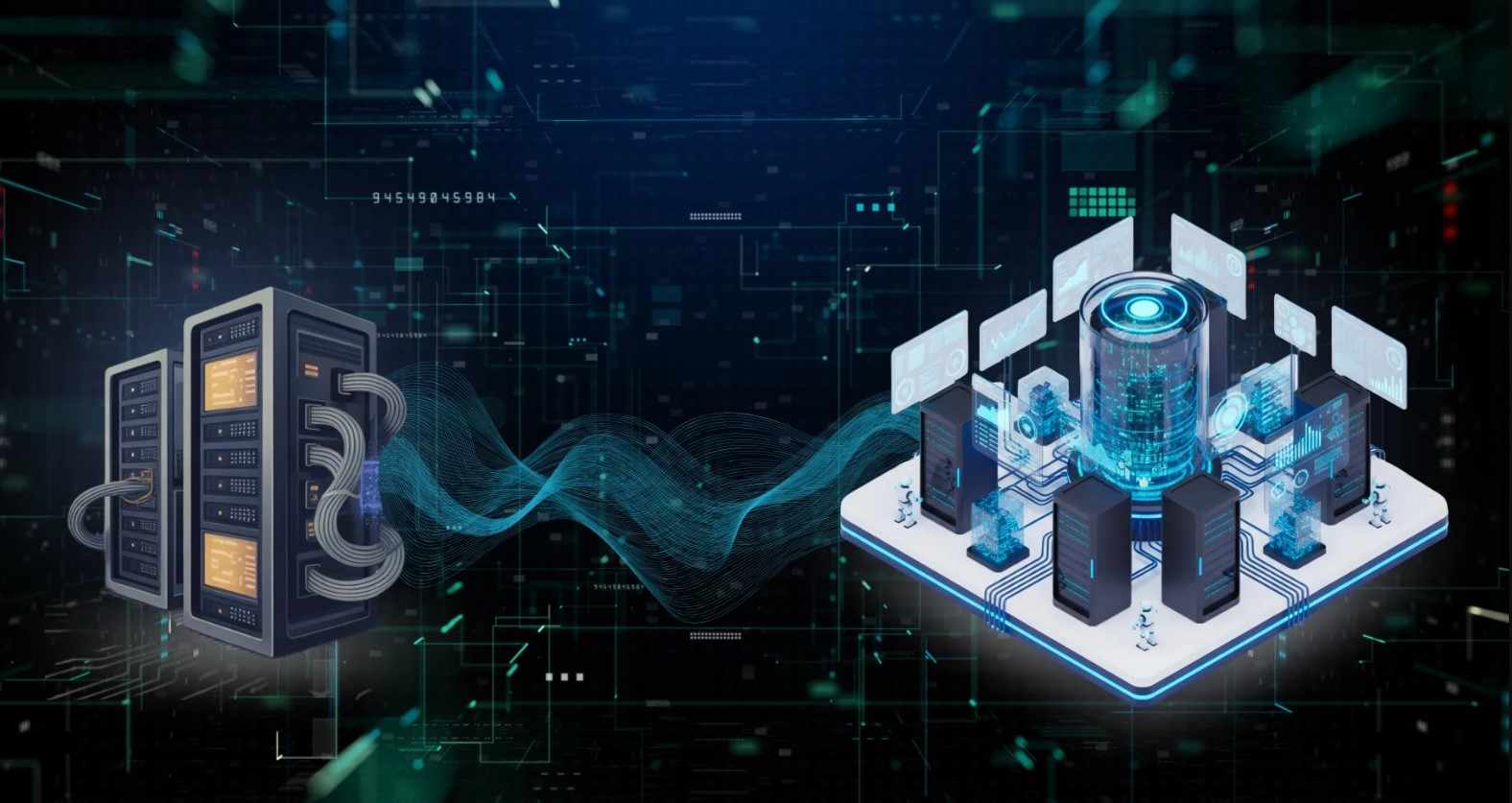
Legacy data modernization services focus on transforming outdated data systems into modern, cloud-compatible frameworks. This process involves several key steps, including data migration, restructuring, cleansing, and integration. The goal is to create a unified and flexible data environment that supports cloud-native applications.
A data modernization compan begins by assessing the existing data landscape, identifying inefficiencies, and designing a strategy for transformation. This includes selecting the right cloud platforms, optimizing data pipelines, and ensuring that data is accessible in real time.
By leveraging data modernization services, businesses can eliminate data silos, improve data quality, and enable seamless integration with modern technologies. This transformation is critical for organizations aiming to fully embrace cloud-native architecture.
Enabling Cloud-Native Architecture Through Modern Data
Cloud-native architecture is built on principles such as scalability, resilience, and microservices-based design. These principles require a data infrastructure that is equally flexible and dynamic. Legacy systems, with their monolithic structures, are not equipped to meet these demands.
Through data modernization services, organizations can redesign their data architecture to align with cloud-native principles. This includes adopting distributed data systems, implementing real-time data processing, and leveraging cloud storage solutions.
A data modernization compan ensures that data is not only migrated to the cloud but also optimized for performance and scalability. This enables businesses to take full advantage of cloud-native technologies, such as containerization and serverless computing.
Improving Data Accessibility and Real-Time Processing
One of the key benefits of modernizing legacy data is improved accessibility. In cloud-native environments, data needs to be available instantly to support real-time applications and analytics. Legacy systems, however, often require batch processing, which delays access to critical information.
By adopting legacy data modernization services, businesses can implement real-time data pipelines that process and deliver information as it is generated. This enables faster decision-making and enhances the overall efficiency of operations.
Real-time data accessibility is particularly important for industries such as finance, healthcare, and e-commerce, where timely insights can have a significant impact on outcomes. A data modernization compan ensures that businesses can access and utilize their data without delays or limitations.
Enhancing Application Performance and Integration
Cloud-native applications are designed to be modular and interconnected. They rely on APIs and microservices to communicate and share data seamlessly. Legacy data systems, however, are often incompatible with these modern architectures.
Data modernization services address this challenge by transforming data into formats that are compatible with cloud-native applications. This includes implementing APIs, standardizing data formats, and enabling seamless integration across systems.
For businesses investing in mobile application development, modernized data systems play a crucial role in delivering high-performance applications. By connecting applications to real-time data sources, companies can provide personalized experiences, faster response times, and enhanced functionality.
This level of integration not only improves user experience but also drives customer engagement and loyalty.
Strengthening Security and Compliance in the Cloud
As businesses move to cloud-native architectures, ensuring data security and compliance becomes a top priority. Legacy systems often lack the advanced security features needed to protect sensitive information in a cloud environment.
Through data modernization services, organizations can implement robust security measures, including encryption, access controls, and monitoring systems. These features ensure that data is protected against unauthorized access and cyber threats.
A data modernization compan also ensures compliance with industry regulations, which is essential for avoiding legal risks and maintaining customer trust. By modernizing data systems, businesses can create a secure foundation for their cloud-native operations.
Driving Operational Efficiency and Cost Savings
Maintaining legacy systems can be both costly and inefficient. These systems require constant maintenance, specialized expertise, and significant resources, which can strain budgets and limit growth opportunities.
By adopting legacy data modernization services, businesses can reduce operational costs and improve efficiency. Modern cloud-based systems are more cost-effective, as they eliminate the need for expensive hardware and reduce maintenance requirements.
Automation is another key benefit of modernization. By automating data processes, businesses can streamline workflows, reduce manual effort, and improve accuracy. A data modernization compan helps organizations achieve these efficiencies, enabling them to focus on strategic initiatives.
Supporting Innovation and Digital Transformation
Innovation is at the heart of cloud-native architecture. Businesses need to continuously evolve and adapt to changing market conditions, customer expectations, and technological advancements. Legacy systems, however, often hinder innovation by limiting flexibility and scalability.
Data modernization services provide the foundation for innovation by enabling access to high-quality, real-time data. This empowers businesses to experiment with new technologies, develop innovative solutions, and stay ahead of the competition.
For example, integrating modern data systems with mobile application development allows businesses to create dynamic and interactive applications that meet the needs of today’s users. This integration is a key driver of digital transformation, enabling organizations to deliver value in new and innovative ways.
Future-Proofing Business Operations
The pace of technological change is accelerating, and businesses must be prepared to adapt to future challenges. Cloud-native architecture offers the flexibility and scalability needed to navigate this dynamic environment, but it requires a modern data foundation.
By investing in legacy data modernization services, organizations can future-proof their operations and ensure that they are ready for emerging technologies. This includes the ability to adopt artificial intelligence, machine learning, and advanced analytics without major disruptions.
A data modernization compan ensures that data systems are designed with scalability and adaptability in mind, enabling businesses to remain competitive in the long term.
Overcoming Migration Challenges with Expert Guidance
Migrating from legacy systems to cloud-native architecture is a complex process that requires careful planning and execution. Without the right expertise, businesses may encounter challenges such as data loss, compatibility issues, and downtime.
A data modernization compan provides the expertise needed to navigate these challenges. Through data modernization services, they ensure that data is migrated securely, efficiently, and with minimal disruption to operations.
This expert guidance is essential for achieving a successful transition and maximizing the benefits of cloud-native architecture.
Conclusion: Building a Strong Foundation for Cloud-Native Success
The transition to cloud-native architecture represents a significant opportunity for businesses to enhance their capabilities, improve efficiency, and drive innovation. However, this transition cannot be achieved without addressing the limitations of legacy data systems.
Data modernization services play a critical role in transforming outdated data infrastructures into modern, cloud-compatible frameworks. By leveraging legacy data modernization services, businesses can unlock the full potential of their data and create a strong foundation for cloud-native success.
A data modernization compan acts as a strategic partner in this journey, providing the expertise and tools needed to navigate the complexities of modernization. From improving data accessibility and integration to enhancing security and scalability, the benefits of modernization are far-reaching.
Furthermore, the integration of modern data systems with initiatives like mobile application development ensures that businesses can deliver exceptional user experiences and stay competitive in a rapidly evolving market.
In a world where data is the driving force behind innovation and growth, investing in modernization is not just a necessity—it is a strategic imperative. Businesses that embrace this transformation will be well-positioned to thrive in the era of cloud-native architecture and beyond.






Write a comment ...