
The food and beverage industry operates within one of the most sensitive and tightly regulated supply chain environments in the world. Products are perishable, safety standards are stringent, and consumer expectations for freshness and quality are extremely high. From farm to processing facility, warehouse, distributor, retailer, and finally the consumer, food products pass through multiple stages where timing, temperature, traceability, and compliance determine product integrity. In this complex ecosystem, Supply Chain Software Development has become essential for ensuring that food and beverage distribution networks maintain freshness, meet regulatory requirements, and minimize waste across global supply chains.
Food supply chains face unique challenges compared to other industries. Shelf life limitations require precise inventory planning and rapid distribution. Contamination risks demand strict traceability and recall readiness. Regulatory frameworks mandate documentation and safety controls at every stage. Traditional manual tracking and disconnected logistics systems cannot meet these demands at scale. Through advanced Supply Chain Software Development, food and beverage companies can create integrated digital platforms that monitor product conditions, optimize logistics, and ensure compliance across the entire distribution lifecycle.
The Critical Role of Freshness in Food Supply Chains
Freshness is the defining quality attribute in food and beverage distribution. Perishable products such as dairy, meat, produce, seafood, and ready-to-eat meals degrade rapidly if exposed to improper temperature, humidity, or delays. Even minor disruptions in transportation or storage conditions can shorten shelf life or compromise safety. Maintaining freshness therefore requires precise coordination across harvesting, processing, packaging, storage, and delivery operations.
Modern consumers expect consistently fresh products regardless of season or geography. Global sourcing and year-round availability increase supply chain complexity and risk. Supply Chain Software Development enables food companies to manage freshness through real-time monitoring, predictive shelf-life analytics, and optimized distribution scheduling. Digital visibility ensures that products move efficiently from origin to destination while maintaining quality.
A specialized supply chain software development company can design freshness management systems that integrate environmental monitoring, inventory rotation, and logistics coordination. Such systems allow food distributors to minimize spoilage while meeting demand across diverse markets.
Ensuring Regulatory Compliance and Food Safety
Food safety regulations are among the strictest in global commerce. Authorities require traceability, hygiene controls, temperature monitoring, and documentation throughout the supply chain. Non-compliance can lead to product recalls, financial penalties, and reputational damage. Ensuring consistent compliance across complex distribution networks is a major challenge for food and beverage companies.
Supply Chain Software Development provides automated compliance management by capturing data at every stage of the food supply chain. Temperature logs, handling procedures, sanitation records, and transportation conditions are recorded digitally and stored securely. Compliance dashboards provide visibility into adherence levels across facilities and partners.
Through advanced supply chain software development services, organizations can automate regulatory reporting and maintain audit-ready documentation. Alerts notify stakeholders of deviations such as temperature excursions or expired inventory. Digital traceability ensures that compliance is maintained consistently across global operations.
End-to-End Traceability from Farm to Consumer
Traceability is critical in food supply chains to ensure safety and enable rapid response to contamination incidents. When issues arise, companies must identify affected batches quickly and isolate them before reaching consumers. Manual traceability systems are slow and error-prone, increasing risk during recalls.
Supply Chain Software Development enables digital track-and-trace systems that record product movement and condition across every stage of the supply chain. Each batch or unit can be assigned a unique identifier linked to origin, processing data, storage conditions, and distribution history. If contamination is detected, affected products can be located and removed rapidly.
A capable supply chain software development company integrates traceability with supplier and logistics systems, ensuring that data flows seamlessly across the ecosystem. This integration enhances food safety while maintaining consumer trust and regulatory compliance.
Cold Chain Management for Perishable Foods
Many food and beverage products require temperature-controlled storage and transportation similar to pharmaceutical cold chains. Meat, dairy, frozen foods, beverages, and fresh produce must remain within defined temperature ranges to preserve quality and prevent spoilage. Cold chain disruptions can result in waste, safety risks, and financial loss.
Through advanced Supply Chain Software Development, IoT sensors and monitoring platforms track temperature and humidity continuously across storage and transport environments. Real-time alerts enable immediate corrective action if conditions deviate. Analytics identify high-risk routes or facilities where temperature control failures occur frequently.
By implementing cold chain monitoring through supply chain software development services, food companies maintain product integrity across distribution networks. Digital monitoring reduces spoilage and ensures that consumers receive safe and fresh products.
Inventory Optimization and Shelf-Life Management
Perishable inventory requires precise planning to balance availability with freshness. Overstocking leads to spoilage, while understocking causes shortages and lost sales. Shelf-life variability across products and storage conditions adds complexity to inventory management in food supply chains.
Supply Chain Software Development enables predictive shelf-life management by analyzing environmental conditions, transit time, and storage history. Systems can recommend optimal distribution sequencing based on remaining shelf life. Dynamic inventory allocation ensures that older stock is prioritized for nearer markets while fresher stock supports longer-distance distribution.
A specialized supply chain software development company can design algorithms that align inventory rotation with demand patterns and logistics constraints. Such optimization minimizes waste while maintaining consistent product availability across markets.
Supplier and Quality Collaboration in Food Networks
Food safety and freshness depend not only on internal operations but also on supplier practices. Agricultural producers, ingredient suppliers, and processing partners must meet quality and handling standards. Lack of coordination or visibility across suppliers can introduce contamination or spoilage risks.
Supply Chain Software Development enables collaborative platforms where suppliers share quality data, certifications, and handling records. Real-time communication ensures alignment on harvesting schedules, storage conditions, and transportation requirements. Performance dashboards evaluate supplier compliance and quality consistency.
Through integrated supply chain software development services, food companies can maintain end-to-end quality assurance across their supply ecosystems. Collaboration ensures that freshness and compliance are preserved from origin to consumer.
Logistics Optimization for Fresh Distribution
Efficient logistics is essential for maintaining freshness in food distribution. Delays, inefficient routing, or improper handling accelerate spoilage and reduce shelf life. Supply Chain Software Development provides routing and scheduling optimization tools that minimize transit time and environmental exposure.
Algorithms determine the fastest and most reliable routes based on traffic, weather, and facility constraints. Load planning ensures appropriate product segregation and temperature control. Real-time tracking enables adjustments during transit to avoid delays.
Through optimized logistics enabled by supply chain software development services, food companies maintain freshness while reducing transportation costs and waste. Distribution networks become agile systems capable of responding to changing conditions.
Integration with Processing and Retail Systems
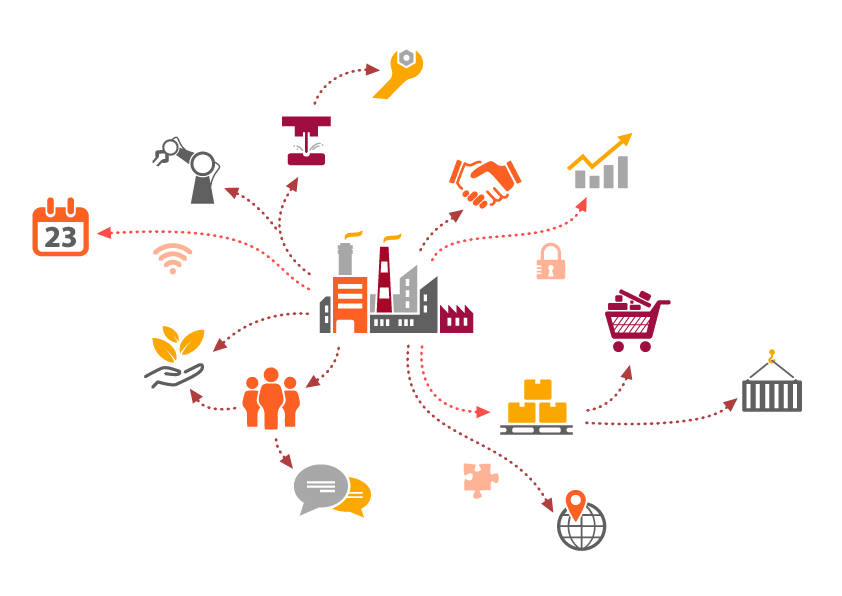
Food supply chains connect farms, processing plants, warehouses, and retail outlets. Data fragmentation across these stages reduces visibility and complicates freshness and compliance management. Supply Chain Software Development enables seamless integration across production, logistics, and retail systems.
Processing batch data can be linked to distribution records, enabling full lifecycle traceability. Retail demand signals inform production and distribution planning, reducing overproduction and spoilage. Quality data flows across systems to support compliance reporting.
Organizations often combine custom software development with supply chain platforms to create unified food industry ecosystems. Integration ensures that freshness, safety, and availability are managed holistically across the supply chain.
Sustainability and Waste Reduction in Food Supply Chains
Food waste is a major global challenge, with significant environmental and economic impact. Spoilage during storage or distribution contributes substantially to waste. Improving freshness management directly supports sustainability goals in the food industry.
Supply Chain Software Development enables waste reduction through predictive shelf-life analytics, optimized inventory allocation, and cold chain monitoring. Real-time data identifies inefficiencies and spoilage risks, enabling corrective action. Reverse logistics processes can redirect near-expiry products to alternative markets or processing.
A capable supply chain software development company can incorporate sustainability metrics into food distribution platforms, helping organizations reduce waste while improving profitability. Digital optimization aligns freshness, compliance, and environmental responsibility.
Future Innovations in Food Supply Chain Software
Technological innovation continues to transform food supply chains. Blockchain enhances traceability and transparency. Artificial intelligence improves demand forecasting and shelf-life prediction. Smart packaging with embedded sensors provides real-time freshness monitoring at the product level.
These innovations are implemented through advanced Supply Chain Software Development initiatives. Digital twins of food supply chains simulate freshness decay under different conditions, enabling optimized distribution planning. Autonomous logistics systems and smart warehouses improve handling efficiency and reduce delays.
Through ongoing innovation, supply chain software development services will continue enhancing compliance and freshness in food and beverage distribution networks.
Conclusion
The food and beverage industry depends on supply chains that preserve freshness, ensure safety, and meet stringent regulatory standards. Perishable products, complex distribution networks, and strict compliance requirements make traditional logistics systems insufficient for modern demands. Supply Chain Software Development provides the digital infrastructure needed to manage freshness, traceability, cold chain integrity, and regulatory compliance across global food supply chains.
By partnering with an experienced supply chain software development company, food and beverage organizations can build customized platforms aligned with product characteristics and distribution strategies. These solutions enhance visibility, collaboration, inventory optimization, and logistics efficiency. When integrated with custom software development, food supply chain systems connect seamlessly with processing, quality, and retail operations.
As consumer expectations for freshness and safety continue to rise, companies investing in advanced supply chain software development services will be better positioned to reduce waste, maintain compliance, and deliver high-quality food products globally. Digital transformation of food supply chains is essential for ensuring freshness, safety, and sustainability in the modern food and beverage industry.












Write a comment ...