
Enterprise growth today depends heavily on how efficiently organizations manage customer relationships, internal resources, financial data, operations, and supply chains. CRM and ERP systems form the backbone of modern enterprises, yet many organizations struggle with disconnected platforms, rigid legacy systems, and complex integration challenges. To overcome these barriers, enterprises are increasingly turning to power apps development services to enable seamless custom CRM and ERP integration while maintaining agility, scalability, and security.
Microsoft Power Apps provides a powerful low-code framework that allows enterprises to build tailored applications on top of existing CRM and ERP ecosystems. Whether integrating Microsoft Dynamics, third-party ERP platforms, or legacy databases, organizations rely on a skilled microsoft powerapps developer and a trusted power apps development company to create intelligent, connected systems. Even industries deeply invested in Supply Chain Software Development are leveraging Power Apps to bridge operational gaps between customer data, financial reporting, and logistics systems.
The Growing Need for Custom CRM & ERP Integration
Modern enterprises operate in increasingly complex environments. Sales teams depend on CRM platforms for customer insights, while finance and operations rely on ERP systems for inventory, procurement, and financial management. However, when these systems operate in isolation, data silos limit visibility and slow down decision-making.
Through professional power apps development services, enterprises can unify CRM and ERP workflows into a centralized, user-friendly interface. Instead of switching between multiple systems, employees gain access to integrated dashboards that display customer orders, inventory levels, billing status, and operational performance in real time.
A certified microsoft powerapps developer ensures that CRM and ERP integrations are secure, scalable, and aligned with enterprise governance policies. This integration approach mirrors the efficiency achieved in Supply Chain Software Development, where synchronized systems enhance operational transparency and coordination.
Eliminating Data Silos Across Enterprise Systems
Data silos are one of the biggest obstacles to digital transformation. When CRM, ERP, and other enterprise platforms fail to communicate seamlessly, organizations struggle with inconsistent reporting, duplicated efforts, and delayed responses.
By leveraging advanced power apps development services, businesses can create custom connectors and APIs that enable smooth data exchange between systems. A professional power apps development company designs applications that consolidate customer interactions, financial data, and operational insights into a unified ecosystem.
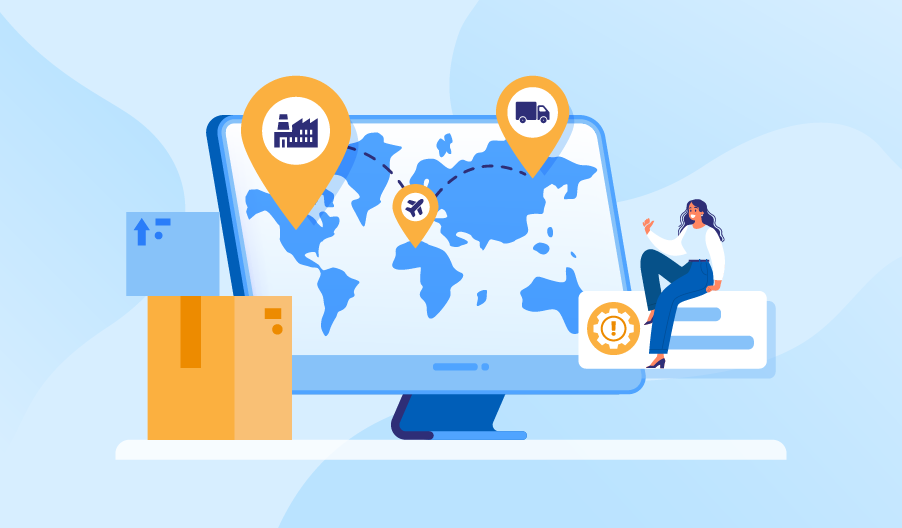
For enterprises involved in Supply Chain Software Development, eliminating silos is particularly critical. Integrated CRM and ERP systems allow real-time visibility into order fulfillment, inventory movements, and supplier coordination. Power Apps acts as a flexible integration layer that connects these systems without requiring costly infrastructure overhauls.
Enhancing Customer Experience Through Integrated Systems
Customer experience is directly influenced by how efficiently enterprises manage information. When sales representatives lack visibility into inventory levels or billing status, service delays occur. Integrated CRM and ERP systems powered by power apps development services eliminate such inefficiencies.
A microsoft powerapps developer can design applications that display real-time product availability, pricing updates, and order tracking within the CRM interface. This empowers sales and support teams to provide accurate information instantly.
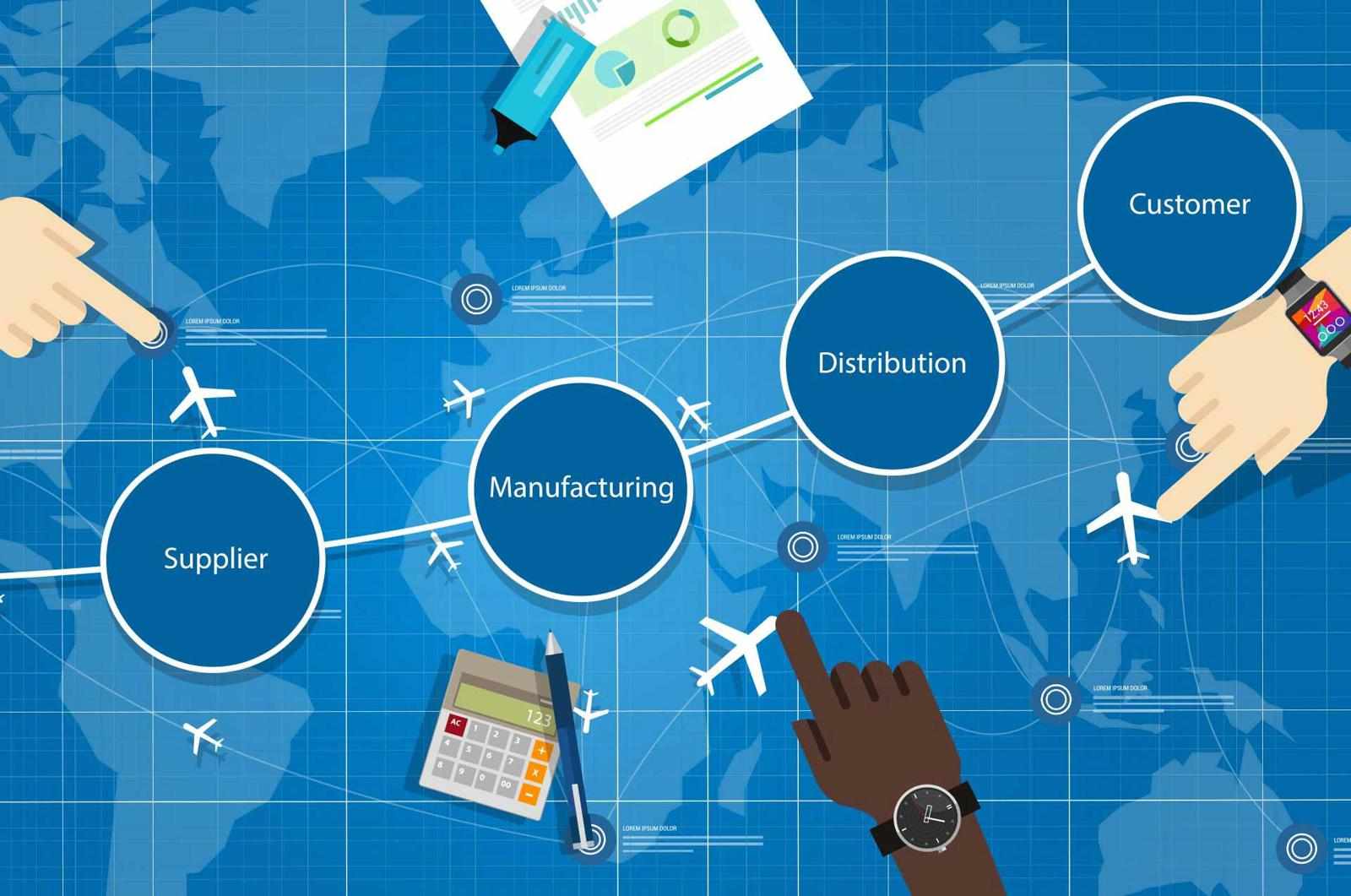
Just as Supply Chain Software Development enhances coordination between manufacturers and distributors, CRM and ERP integration improves collaboration between sales, finance, and operations teams. The result is faster response times, improved customer satisfaction, and stronger brand loyalty.
Customizing Enterprise Workflows for Operational Efficiency
Off-the-shelf CRM and ERP solutions often lack flexibility for unique enterprise processes. Custom workflows, approval hierarchies, and reporting structures vary significantly across industries. This is where the synergy between power apps development services and custom software development becomes invaluable.
By integrating Power Apps with custom software development, enterprises can tailor CRM and ERP systems to align with specific operational requirements. A reliable power apps development company ensures that applications reflect real-world business logic while remaining scalable for future expansion.
For organizations managing complex logistics networks, including those dependent on Supply Chain Software Development, customized CRM and ERP integrations enable accurate demand forecasting and streamlined procurement workflows. This alignment improves efficiency and reduces operational costs.
Strengthening Financial and Operational Reporting
Accurate reporting is essential for strategic planning and regulatory compliance. Disconnected CRM and ERP systems often produce inconsistent data, making it difficult to generate reliable insights.
Through comprehensive power apps development services, enterprises can build real-time reporting dashboards that integrate financial metrics, customer performance data, and operational analytics. A skilled microsoft powerapps developer ensures secure data synchronization across platforms.
Enterprises involved in Supply Chain Software Development particularly benefit from unified reporting systems. Integrated dashboards provide visibility into order cycles, vendor performance, and financial forecasts, enabling proactive decision-making.
Real-time reporting enhances transparency across departments and empowers leadership teams to make data-driven decisions with confidence.
Improving Scalability and Future-Readiness
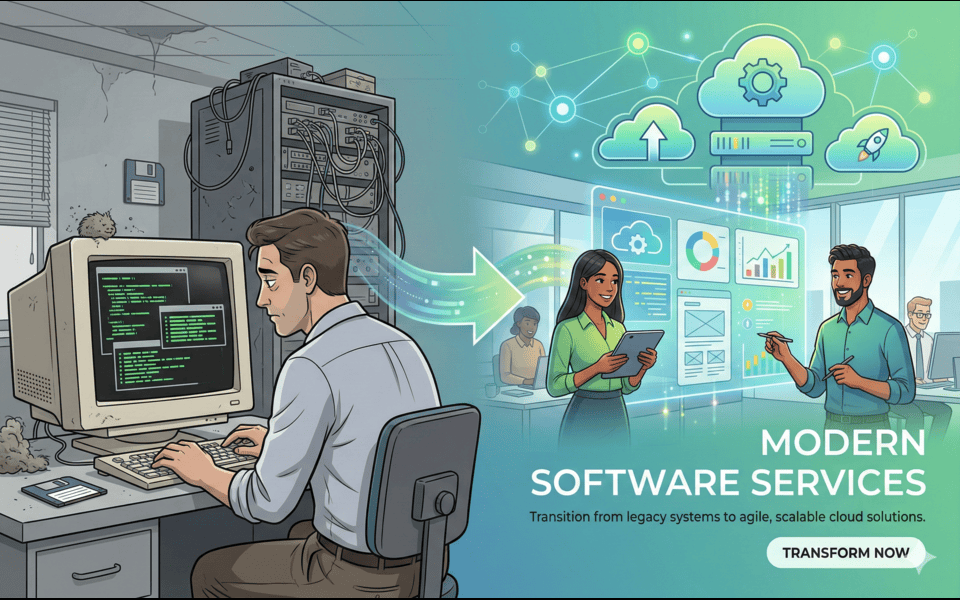
As enterprises grow, their CRM and ERP requirements evolve. Mergers, acquisitions, geographic expansion, and product diversification demand adaptable systems. Rigid legacy integrations often hinder scalability.
A forward-thinking power apps development company designs modular applications that evolve alongside business growth. Through scalable power apps development services, organizations can add new modules, update workflows, and integrate emerging technologies without disrupting core systems.
This scalability is equally critical in Supply Chain Software Development, where dynamic market conditions require flexible integration frameworks. Power Apps provides a future-ready architecture that supports innovation and continuous improvement.
Ensuring Enterprise-Grade Security and Compliance
CRM and ERP systems handle sensitive customer data, financial records, and operational insights. Maintaining data security and regulatory compliance is a top priority for enterprises.
With expert power apps development services, organizations can implement robust authentication mechanisms, encrypted data transfers, and role-based access controls. A certified microsoft powerapps developer ensures compliance with enterprise security standards and regulatory requirements.
Secure integration frameworks protect data integrity while enabling seamless collaboration. This approach aligns with the governance standards commonly implemented in Supply Chain Software Development, where secure data exchange between partners is essential.
Accelerating Digital Transformation Across Departments
Digital transformation is not limited to IT departments. Sales, marketing, finance, HR, and operations all rely on integrated systems to function efficiently. CRM and ERP integration through power apps development services creates a unified digital environment that enhances cross-departmental collaboration.
A professional power apps development company can design intuitive interfaces that simplify complex processes. A microsoft powerapps developer ensures that applications are optimized for performance across web and mobile platforms.
For enterprises engaged in Supply Chain Software Development, this unified digital environment enhances coordination between procurement, inventory management, and distribution teams. Integrated CRM and ERP systems enable real-time updates that improve responsiveness and operational agility.
Driving Competitive Advantage Through Intelligent Integration
In a competitive business landscape, enterprises must innovate continuously to maintain leadership. Intelligent CRM and ERP integration powered by power apps development services provides a significant competitive edge.
Customized applications enable faster sales cycles, accurate forecasting, and efficient resource allocation. A skilled microsoft powerapps developer ensures seamless integration with analytics tools, enabling predictive insights and performance monitoring.
Organizations leveraging Supply Chain Software Development alongside CRM and ERP integration gain a holistic view of operations from customer inquiry to product delivery. This end-to-end visibility enhances resilience and strengthens market positioning.
Conclusion
Enterprises today require agile, secure, and scalable integration solutions to unify CRM and ERP systems. Disconnected platforms limit efficiency, hinder collaboration, and slow down innovation. By investing in strategic power apps development services, organizations can eliminate data silos, customize workflows, and enhance reporting capabilities.
Partnering with a trusted power apps development company and an experienced microsoft powerapps developer ensures that CRM and ERP integrations align with enterprise architecture and compliance standards. When combined with custom software development and aligned with operational strategies similar to Supply Chain Software Development, Power Apps becomes a transformative force in enterprise modernization.
As digital transformation continues to reshape global industries, enterprises that adopt intelligent integration frameworks will be better positioned for sustainable growth, operational excellence, and long-term competitive success.








Write a comment ...